Written by Miriam Bagully; all references are cited:
Little known facts of Perimenopause
-
72% of women (in peri or postmenopause) experience symptoms.* https://docs.cdn.yougov.com/qgjici8x6v/results_Menstruation%20and%20Menopause.pdf
-
Symptoms of Perimenopause (the years leading up to menopause) can last 5-10 years or even more. ** https://www.theguardian.com/society/2015/feb/18/menopause-symptoms-12-years
-
Want another good reason to stop smoking: it can lead to early onset of menopause symptoms.^ https://www.hopkinsmedicine.org/health/wellness-and-prevention/navigating-perimenopause-5-tips-from-a-womens-health-provider
-
Most symptoms we align with menopause actually begin in perimenopause^^; on the plus side, this allows us to have mood swings and hangry pains all month instead of just 1 week and the guys can’t get mad anymore. https://www.uclahealth.org/news/article/sneaky-symptoms-perimenopause
-
1 in 3 women in the US report their mental health or mood has been extremely impacted by menopause.^
-
51% of women report menopause has negatively affected their work life.**
-
Women who started HRT within ten years of menopause had a 48% lower risk of heart disease compared to women who took a placebo.^^
What is Perimenopause?
For many years, “menopause” has been used as a catch-all phrase to describe the symptom-laden period of time when a woman’s ovary functionality begins to decline and hormones fluctuate wildly. But in reality, menopause is one single day of a woman’s life, used as a milestone as her menstrual cycle comes to an end (to be more specific, the date 1 year since your last cycle). “Perimenopause” is the term that describes the gradual hormonal journey to that point, and it’s what most of us are likely referring to when we hear buzz words like “hot flashes.” But we digress. Let’s zoom out and look at the different hormonal stages a woman will go through in her lifetime.
75 million women are in peri-, post-, or menopause in the US.
Hormone stages
A break down of the phases of menopause, with corresponding age ranges
-
PREmenopause: The period before a woman enters perimenopause, often referred to as the reproductive years. It’s characterized by the consistent rise and fall of hormones during the menstrual cycle, usually in predictable and consistent patterns. Typical age range: Adolescence - around 40
-
Early PERImenopause: The first step in the menopause transition - hormonal shifts begin, causing a variety of symptoms which are often not initially recognized as perimenopause. Typical age range: Late 30s or early 40s
-
Late PERImenopause: The transition towards menopause intensifies. Hormonal fluctuations increase as your body works harder to compensate as your ovaries produce less estrogen & progesterone. Menstrual cycles can become very irregular or even skip months, and symptoms intensify. Typical age range: Late 40s - early 50s
-
Menopause: The single day that marks 12 months since your last period. Typical age range: US average - 51
-
POSTmenopause: The phase of life after you've reached menopause. You may continue to have symptoms for several years as your body adjusts to lower hormone levels. Decreased hormone levels can contribute to chronic health issues like heart disease or osteoporosis. Typical age range: 51+
What’s causing your symptoms?
And how these hormones can impact the symptoms you may experience.
-
Estrogen: In reality, this is a combination of three female hormones – estradiol, estriol, and estrone – that drive the body’s changes during puberty, regulates ovulation, thickens the uterine lining to prepare it for pregnancy, and helps in maintaining vaginal elasticity and lubrication. ^ https://thewell.northwell.edu/womens-health/estrogen-vs-progesterone
-
In the early stages of perimenopause, estrogen levels can spike and fluctuate, which can cause symptoms like breast tenderness, heavy bleeding, and additional weight gain. The longer a woman is in perimenopause, the more her estrogen levels decrease. Once estrogen levels decline without rising again, your body can respond with even more symptoms like hot flashes, insomnia, bone loss, vaginal dryness and less frequent periods. In the long term, low estrogen levels are often associated with chronic diseases such as osteoporosis and heart disease.
-
Progesterone: Progesterone is a hormone created by the ovaries during the 2nd part of our menstrual cycle. After ovulation, our progesterone levels rise in order to maintain the thickening of the uterine lining, prepare it for pregnancy, prevent ovulation during pregnancy, help the body prepare for breastfeeding, and support mood and thyroid functions. If there is no implantation of the egg, then progesterone levels fall again, and your period starts. ^
-
This is the first hormone to drop levels at the beginning of perimenopause – even before estrogen; and can cause irregular periods, decreased sleep quality, dry skin, abdominal weight gain, heavy periods and/or prolonged bleeding, and mood swings (just to name a few). ^^ https://www.taramd.com/post/progesterone-changes-in-perimenopause
-
Follicle stimulating hormone: FSH is created in the pituitary gland and affects functions of the ovaries and testes. In women, it is typically associated with our ovarian reserve. These hormones do different things to us during each phase of life (fetal development, puberty, reproductive years and into perimenopause).* https://my.clevelandclinic.org/health/articles/24638-follicle-stimulating-hormone-fsh
-
During the reproductive years, our bodies produce FSH to stimulate the follicles that house our eggs and help regulate periods. In perimenopause however, the quality of the ovaries begins to decline and the quantity of eggs lowers, so the body has to work harder to release an egg every cycle. This means that FSH levels start rising and continue to do so through post-menopause. If levels go high enough, it can be a sign of hypogonadism which, in females, can lead to some of the well-known perimenopause symptoms like fatigue, loss of interest in sex, infertility, hot flashes and irregular or no menstrual cycles.
“Menopause is easy. It’s perimenopause that’s tricky.” Mary Jane Minkin, MD, practicing gynecologist and clinical professor at Yale New Hven Health and Yale School of Medicine.
Possible symptoms of Perimenopause
All the rumors are true – physical and mental changes we can look forward to
You are most likely familiar with the most common symptoms listed below:
-
Irregular periods
-
Fatigue
-
Weight gain
-
Trouble concentrating (aka brain fog)
-
Irritability/Mood Swings
-
Anxiety/Depression
-
Acne
-
Headaches
-
Sleep issues
-
Decreased libido
-
Hot flashes/Night sweats
-
Bloating
-
Osteoporosis
Then there are some less common side effects we might each experience, such as:
-
Change in body odor
-
UTIs
-
Joint pain & muscle aches
-
Brittle nails
-
Breast soreness
-
Digestive problems
-
Memory problems
And lastly, the even lesser known, sometimes wacky, and often totally & completely unfair symptoms:
-
Vaginal dryness/atrophy (use it or lose it unfortunately does not work here)
-
Tingling hands and feet
-
Changes in sense of taste
-
Heart palpitations
-
Oral burning sensation
-
Electric shock sensation
-
Itchiness
-
Thinning hair
-
Incontinence
-
Panic attacks
Symptom Management and Testing
When to test and how to not become a walking menopause meme.
All is not lost ladies! Although there is not a sure fire, single, catch-all for managing what is happening to us (as we are all different), there are a plethora of options available to us that can help control your perimenopause symptoms.
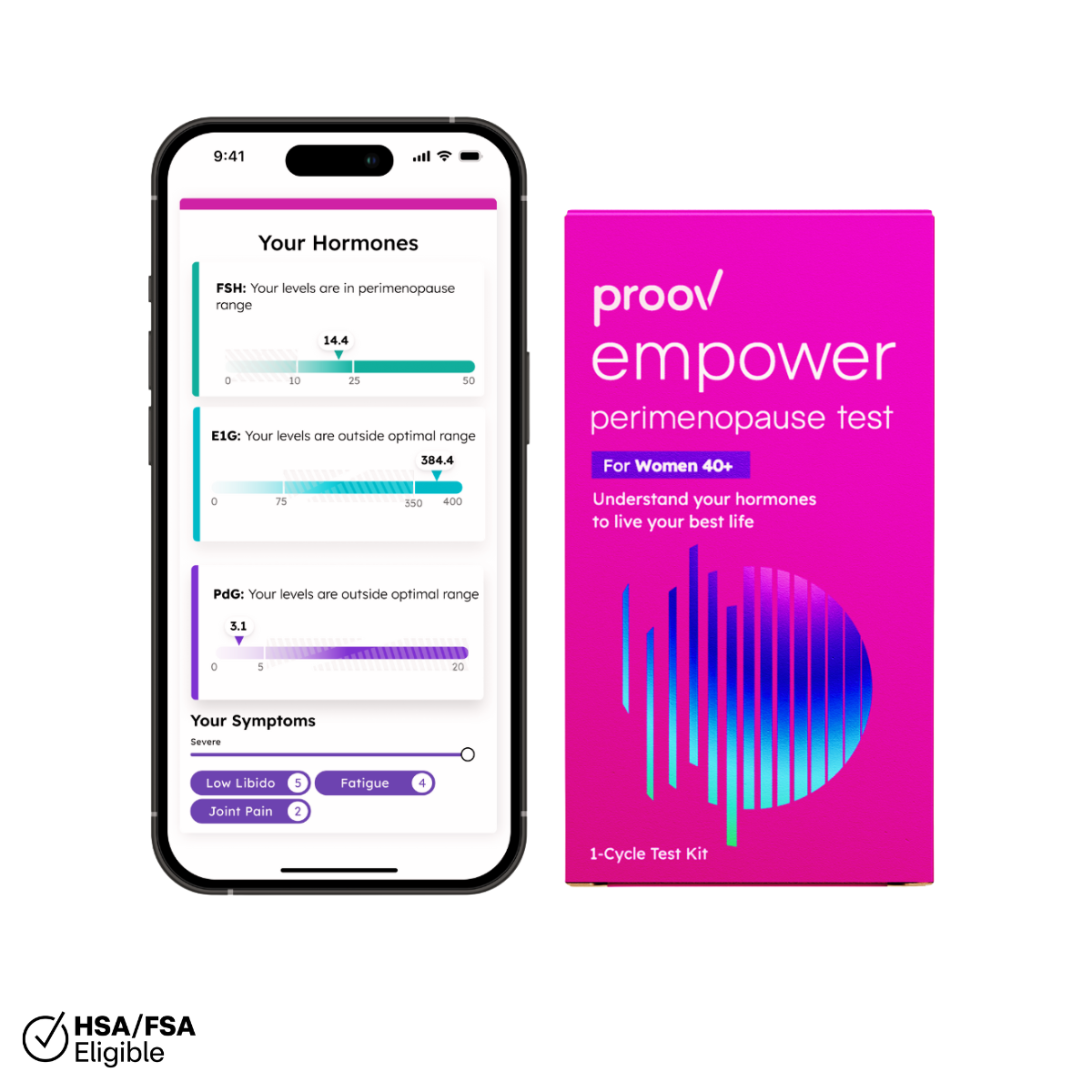
Testing: Testing hormone levels is an easy way to understand your hormones and help you find the control methods that might work best for you. Proov Empower, for instance, can help you identify what stage of perimenopause you are in, and what is happening with your hormones – which can in turn help you narrow down methods of symptom relief.
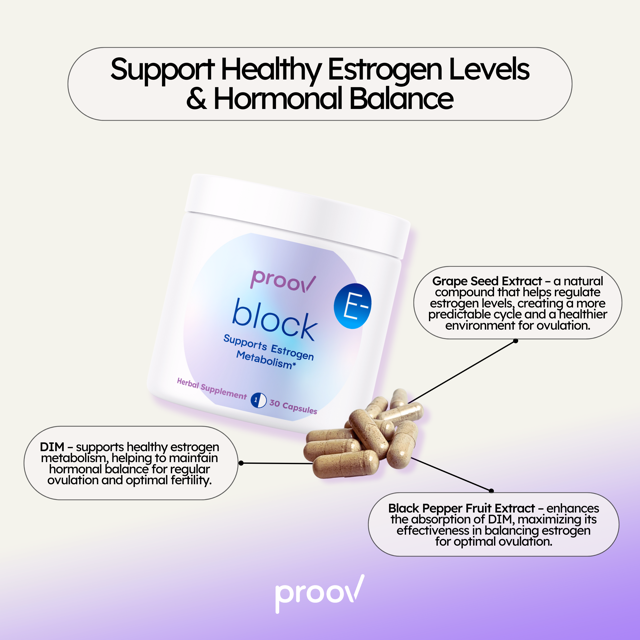
Supplements: Certain herbal supplements can help support our body’s estrogen and progesterone production, help level our metabolisms, and support our hormone balance naturally. Always choose evidence-based products like those offered by Proov (like Boost, Block, and Pro). *
Vitamins & Minerals: Remember those Flintstone vitamins we loved as kids? Well, now we might need something a little stronger. Many of us will need additional vitamins and minerals to remain feeling our best during our “reproductive years.” Supplements like calcium and vitamin D can support bone health. A good magnesium glycinate supplement can support healthy sleep and muscle function, as well as helping with the tingling in the hands and feet. Beware: Do not let the brain fog trick you into getting magnesium citrate - this is a laxative, and we certainly don’t need more problems. You can also add collagen or Biotin supplements to your diet to help support healthy hair, skin, and nails. * Look for supplements that have no fillers like artificial colors or preservatives; if in doubt, just check with your doctor.
Medications: As we progress further into perimenopause, it is really important to be open and honest with our doctors about our symptoms. We need to have open discussions about all hormone test results and whether HRT (hormone replacement therapy) is right for us (more about this later). HRT can not only treat symptoms during perimenopause but also reduce the risk of osteoporosis and other long-term health issues that often result from low estrogen levels.
Lifestyle adjustments: Simple changes like regular exercise (especially weight training!), a balanced diet emphasizing fiber and protein, and stress management techniques (such as yoga or meditation) can make a significant difference in controlling stress and mood swings – and who among us doesn’t need that!
Is HRT safe?** Based on a new study published in the medical journal JAMA, the benefits of hormone therapy outweigh the risks. Thanks to lower doses and different kinds of hormones used today, HRT is considered to be both safe AND beneficial from a long-term health standpoint.
Experts agree that most women CAN and SHOULD start hormone therapy when needed to control moderate to severe menopause symptoms such as hot flashes and vaginal dryness.
IMPORTANT: Always check with your doctor first of course, but the following is a list of reasons that make HRT a non-viable option for some women: *
-
Estrogen- sensitive cancers (breast, uterine, ovarian)
-
Abnormal vaginal bleeding
-
History of DVTs or are at higher-than-normal risk (this can be done via blood tests)
-
History of stroke or heart attacks, or an increased risk of cardiovascular disease
-
Currently pregnant
-
Gallbladder or liver disease
The research and guidelines around treatment of perimenopause have changed quickly in recent years. Please find the right specialist for you to make sure that you are given the best-tailored HRT regimen based on your symptoms and preferences as well as the latest research. If you’re not happy with the care you’re currently getting, there are resources online to find an in-person or online doctor who specializes in care during perimenopause and beyond.
What can testing tell me?
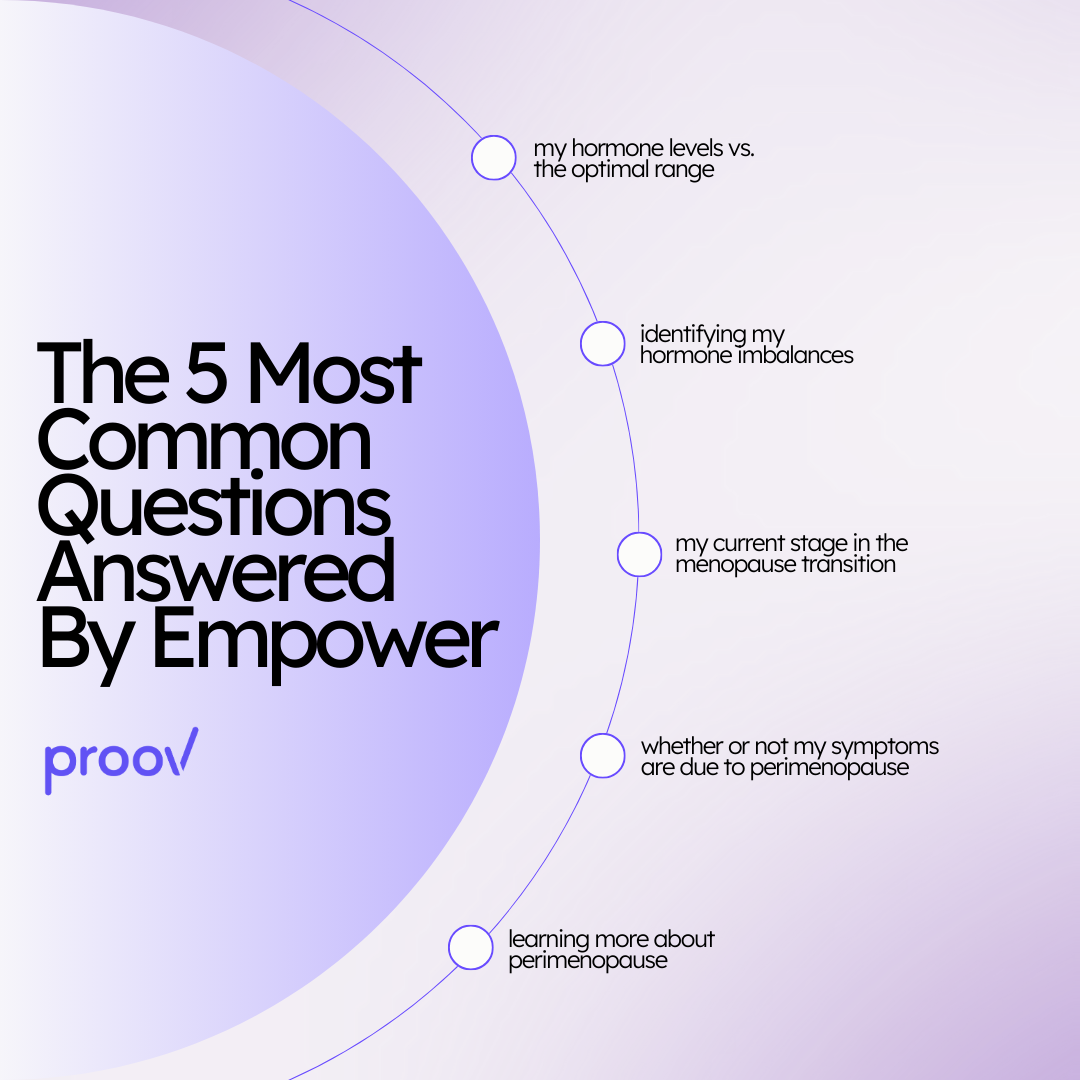
Perimenopause testing systems like Proov Empower can help you understand what stage of perimenopause you might be in, as well as what’s happening with your hormones so you can get symptom relief.
You get science-backed, evidence-based products, clear insights, and actionable solutions to support your cycle — and get on with your life. Our knowledgeable support staff and online community can give you the information and support you deserve.
When is the right time to test?
Recognizing the right time to test is crucial. If you’re experiencing any of the following symptoms, it might be time to consider a hormone test:
-
Fatigue
-
Trouble sleeping/sleeplessness
-
Anxiety
-
Depressed mood
-
Hot flashes
-
Joint pain
-
Weight gain
-
Menstrual changes
But wait, should I even test?
So you've heard that there’s no point in measuring hormones during perimenopause...
The accuracy of perimenopause tests is something people have been unsure about in the past. And rightly so – previous versions of perimenopause tests were flawed for multiple reasons. A lot of the older blood-based hormone tests measured hormone levels on only one single day; but to truly see how our bodies are changing in perimenopause we need to evaluate hormones at multiple points in the menstrual cycle.
Older urine-based tests only measure FSH. This shows only part of the picture, since it doesn’t include estrogen or progesterone levels. Changes in these hormones directly correlate to common perimenopause symptoms. Newer at-home urine hormone tests, like Proov Empower, tests 4 hormones (FSH, E1G, PdG & LH) * across multiple points throughout your cycle. This means that you’re seeing a holistic view of your hormonal fluctuation over the course of several weeks. Hormone testing is a simple but important piece of information. Proov’s app will help you track your symptoms and menstrual changes, which are also critical to having the full picture. Proov can also point women to personalized solutions, to help each of us feel like the best version of ourselves!
Testing with Proov is easy PEE-sy
Our app walks you through the process, step by step.
-
Download: Download the Proov App for step-by-step guidance
-
Test: Record symptoms & cycle changes and take your first test when prompted
-
Learn: Test 3-4 times across your cycle - follow your app notifications
-
Discover: Get personalized lifestyle and supplement recommendations based on your results
-
Get recommended supplements
-
Treat: Connect with a menopause specialist at Paloma if needed
-
Retest: Retest and adjust solutions as needed
“Just did my first test. Fascinating to see where I am on this journey. Glad to have this tool to help me better understand where I’m at.”
Long term effect of these hormone changes on women and HRT
The further a woman gets into menopause, the more we need to look at the long-term effects of losing those ovarian produced hormones.
Unfortunately, many of the symptoms we’ve already talked about can worsen as we progress through menopause. One of the most common long- term health effects is osteoporosis from bone loss. As our estrogen levels decrease, bone loss tends to increase. According to a study by The Bone Health and Osteoporosis Organization, roughly around 80% of people diagnosed with osteoporosis are women.* https://www.bonehealthandosteoporosis.org/preventing-fractures/general-facts/what-women-need-to-know/
Other long-term effects that we are at greater risk of are:
-
Cardiovascular issues: Llower estrogen levels can affect cardiac tissue, leading to heart palpitations and a greater risk for coronary artery disease. In fact, after menopause, a womaen’s chance of developing cardiovascular issues catches up to, and matches, that of men.
-
Urinary Issues: Llow estrogen levels can also cause vaginal atrophy as discussed earlier. This ins turn creates a higher risk of UTIs and urinary incontinence due to the thinning of the uterine and bladder walls.
-
Skin and hair changes: lower estrogen levels often lead to excessive dryness in the skin as well as less elasticity and more slackness (this translates to more wrinkles).
Psychologically, we can also experience relationship and work pressures due to perimenopause. Bank of America published a study in 2023 called Break through the stigma: Menopause in the Workplace.^ They found that 20% of the female workforce is in some stage of peri/post menopause transition; and 58% of those women admitted that menopause had negatively impacted their work life. They feared being perceived as old and were afraid their male peers would treat them differently or lose respect for them. ^ https://newsroom.bankofamerica.com/content/newsroom/press-releases/2023/06/bofa-report-finds-64--of-women-want-menopause-specific-benefits-.html)
Studies from the early 2000’s advising that HRT usage increased the risk of stroke and breast cancer were later debunked by other studies that proved “several critical methodological flaws.” The more recent and properly conducted studies show what a large positive response can come from using HRT while in menopause; especially because there are now several types of HRT and it can essentially be tailored to fit each one of us.
Pregnancy & Fertility in perimenopause?
We know that the further a woman progresses into perimenopause, the more fluctuation and changes we see in estrogen and progesterone – both of which we need to become a mom – meaning the more irregular our ovulation cycles become. No need to worry though. The good news (if you want to become pregnant) or the bad news (if you don’t) is that until you hit actual menopause one year after your last cycle, your body can still hold and release eggs. This means you are technically still fertile; although each year, it will be harder to get pregnant without medical intervention. *
Women can help preserve our own fertility by working with our doctors and maybe making a few lifestyle changes. Be sure to eat healthy, exercise, focus on getting good sleep, and try to minimize stress. Medical intervention might be necessary as well, especially since the older we get the greater the chance of having a higher risk pregnancy with issues like gestational diabetes or preeclampsia. There are also higher risks of babies having lower birth weights, chromosomal abnormalities, or being born premature. *
https://www.uclahealth.org/news/article/pregnancy-still-possible-during-perimenopause
If you don’t want to become pregnant, you should continue using at least one type of birth control. You should be able to take birth control pills, have IUDs implanted, etc... during perimenopause, but you need to work closely with your OBGYN to make sure you are using an option with the proper hormones for your specific body. You can use Proov;s at- home tests to test and track the hormone levels needed.
Peri/Menopause are no longer dirty words thanks to celebrities and mainstream media
Historically, there has infamously been very little research and funding behind the topic of perimenopause. It has a storied history of being the point at which women are thought of as “getting old” or “past their prime.” Unfortunately, past medical curricula around perimenopause and menopause simply have not equipped our medical professionals to provide care for this condition properly, which in turn leaves thousands of women without symptom relief and guidance every year.
“Of 99 OB/GYN program directors, 31.3% reported having a menopause curriculum. Of all programs surveyed, 29.3% reported that trainees had dedicated time assigned to menopause clinics. All OB/GYN programs with menopause curriculums reported five or fewer menopause lectures throughout the year, and 71% reported two or fewer lectures per year.” (Healio) Pretty scary considering nearly 2 million women each year enter menopause in the US** https://www.mayoclinichealthsystem.org/hometown-health/speaking-of-health/too-embarrassed-to-ask-part-3#:~:text=In%20the%20U.S.%2C%20an%20estimated,of%20their%20lives%20in%20menopause.
A 2023 survey found that over 90% of obstetrics and gynecology residency program directors in the U.S. agreed that residents should have access to a standardized menopause curriculum, yet less than a third reported that their programs actually offered one.” *https://pubmed.ncbi.nlm.nih.gov/37738034/
The revolution has started: Celebs & Media
Although in the past, the words perimenopause and menopause were almost seen as taboo, or were only mentioned in comedic situations, we’re now seeing somewhat of a cultural revolution in this area. We are seeing more and more celebrities come forward to discuss getting older and starting menopause,; as well as seeing more commercial acceptance of it. In fact, WeightWatchers has recently added a program called WeightWatchers for Menopause: This is your upgrade era, and was designed, “For women who want a holistic approach to weight-loss and symptom management.”
From Jaime Lee Curtis trying to rebrand menopause when she was diagnosed with breast cancer 25 years ago, to Gwyneth Paltrow and Goop continuing the rebrand process in 2018 to Oprah Winfrey hosting “The Menopause Talk” in 2023 to Haelle Berry standing on the steps of the US Capitol yelling, “I’m in menopause” at the top of her lungs, more and more celebrities are using their platforms to raise awareness, remove the stigma of this “life change,” and encourage women to stand up and take control of their own bodies. ^ Celebrities all over the worldthe world over are working together to reduce our fear and confusion on these topics and help empower us to thrive and grow during and after perimenopause. https://hellobonafide.com/blogs/news/menopause-pop-culture
**(I am not mentioning the $275 million she helped get for menopause research as I am not sure if that has changed with the current cuts by our government. I need to research it more, but that could be a separate article along with other changes the government is making to women’s health laws.
Who is Proov?
And what do they do?
As a Ph.D. scientist, Amy Beckley, founder of Proov, has spent her entire career studying women’s hormones and the effects they have on our lives. When she faced fertility challenges herself, she found both information and accessible solutions lacking. So, she took matters into her own hands and founded Proov.
When she entered into perimenopause, she once again found a gap in resources and support. So once again, she created a test to help fill that gap.
This transition can be challenging for a lot of women who experience a variety of unexplained symptoms, and just wants to feel like themselves again. Amy understands the complexities of this stage of life, and is dedicated to providing women with the knowledge & tools we need to manage our hormone health.
You can go to Proovtest.com and take quizzes that will help you determine which specific tests will be best suited to your needs. There are male and female fertility tests, pregnancy tests, and various supplements for fertility and cycle health. Proov has experts available 7 days a week to answer all your questions and help guide you. We are always here to help our sisters.